
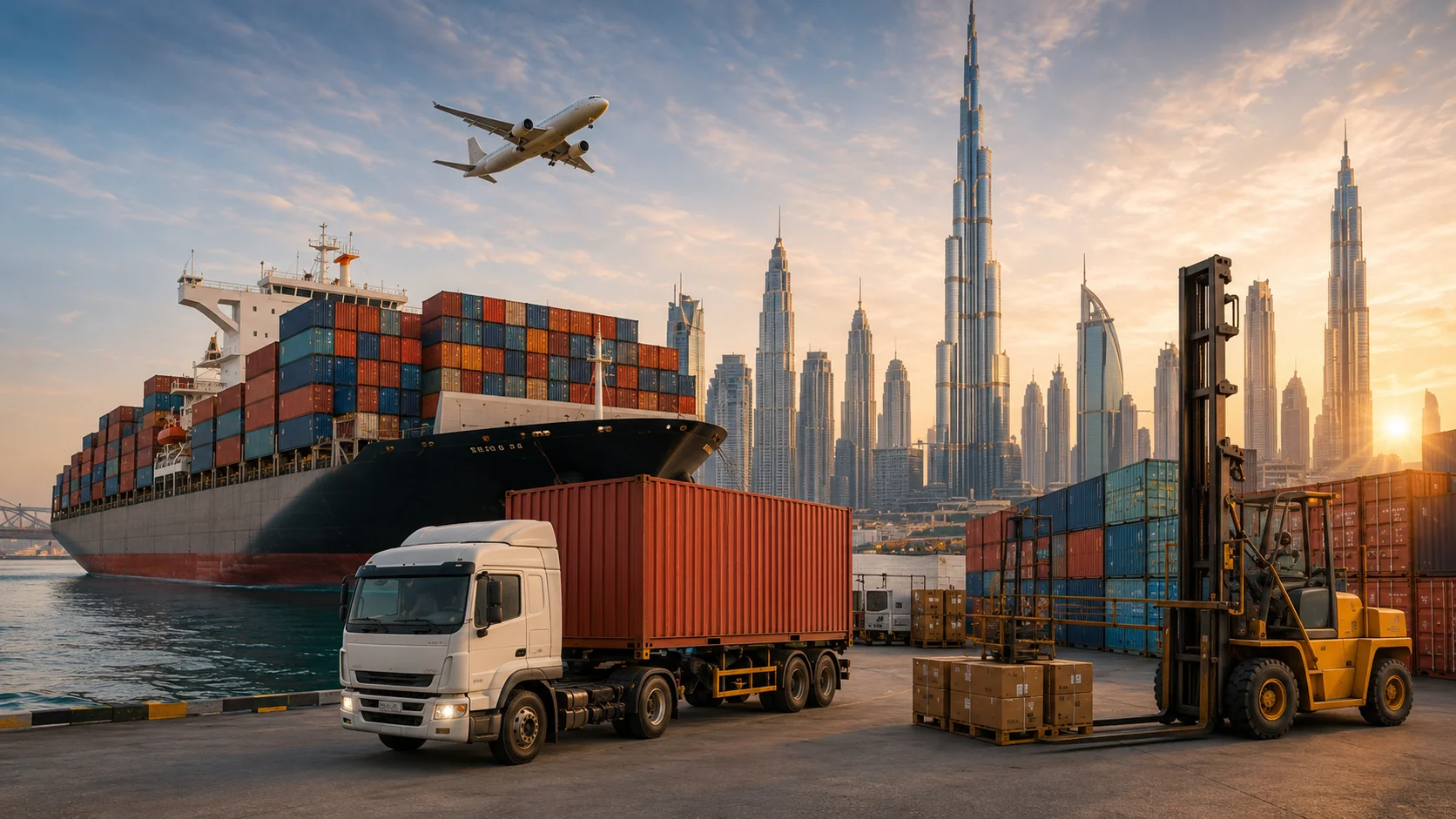
A UAE general trading licence is a commercial authorisation for the specific trading activities approved by the issuing mainland or free-zone authority. It may cover several permitted activities, but does not override product-specific approvals, customs rules or restrictions on where a company may sell. Check the exact activity codes and sales model before purchasing inventory.
What is a general trading licence in the UAE?
The UAE distinguishes commercial licences from professional, industrial and other categories. Dubai DET describes commercial licensing as covering general trading, import/export, wholesale and retail; permitted activities and approvals must still be checked with the issuing authority. General trading is commonly used for businesses planning to buy, sell or distribute different goods, subject to their approved activities. A broad-sounding licence title does not grant unrestricted permission to trade every product.
The UAE Ministry of Economy and Tourism explains that economic activity determines the required licence and legal form, that a licence may include multiple activities, and that some activities need additional government approvals.
What can you trade with a general trading licence?
Permitted goods depend on the actual activities listed on the licence. Businesses considering apparel, household products, building materials, machinery or other merchandise should confirm each activity and its restrictions with the licensing authority. Some goods also require registrations, conformity assessments, inspections or import permits.
- Product categories: match the intended goods to the approved economic activities.
- Sales channels: check whether wholesale, retail, online and international sales are covered.
- Regulated goods: obtain any additional product or sector approvals before import or sale.
- Documentation: align commercial invoices, product descriptions and shipment papers with the licensed business.

Mainland versus free-zone trading companies
Mainland Dubai may suit businesses selling directly within the UAE mainland, subject to their licence and sector rules. Free zones may suit international trading, storage or re-export operations, but a free-zone licence does not automatically authorise direct mainland trading.
The official Invest in Dubai portal explains the distinction. Before choosing, map your customers, suppliers, warehouse location, customs requirements, premises and staff needs. Confirm mainland distribution arrangements with the appropriate authority.
Steps to establish a UAE general trading business
- List products and markets. Specify what you intend to trade, where goods originate, and whether customers are in the mainland, a free zone or overseas.
- Choose the authority and legal form. Compare the permitted activities, ownership requirements and operating conditions.
- Reserve the trade name. Confirm it follows naming rules and does not conflict with an existing registration.
- Apply for initial approval. This lets the applicant proceed with setup; it is not permission to begin trading.
- Prepare legal and premises documents. The authority may require an MOA, lease, address and supporting papers.
- Obtain activity-specific approvals and collect the licence. Check product-specific permits where relevant.
- Prepare operations. Coordinate supplier checks, invoices, HS classifications, customs registration where applicable, freight and warehousing.
The UAE Government mainland setup guide covers activity selection, trade names, approvals, premises and licence collection. Requirements differ by emirate, authority, product and legal structure.
Documents to check before your first shipment
Company formation and shipment documentation are separate. Licensing may involve a trade name, initial approval, legal-form documents, premises records and any external approvals. A shipment may require commercial invoices, packing lists, transport documents, origin information, HS classification and additional product-specific paperwork.
Keep an operational register linking the company name, licence number, approved activities, supplier contracts, product descriptions and customs documentation. It helps avoid mismatches between purchase orders, licences and shipments.
Common mistakes to avoid
- Assuming the licence allows every category of goods.
- Buying regulated products before confirming approval requirements.
- Choosing a free-zone structure without checking mainland customer access.
- Treating initial approval as a final operating licence.
- Leaving freight, customs and returns arrangements until inventory arrives.
- Relying on guaranteed approval claims rather than official authority rules.
How QIKZ supports trading operations
QIKZ helps coordinate commercial planning across general trading company support, product sourcing, import and export and logistics and warehousing. The competent government authority remains responsible for licence issuance and approvals.
Frequently asked questions
Does a general trading licence cover every product?
No. Only approved activities are covered, and some products require additional registrations, permits or regulatory approvals.
Can a free-zone company sell directly to mainland customers?
Not automatically. Licensing, distribution and customs arrangements depend on the free zone, activity and transaction.
Is initial approval enough to start trading?
No. It permits further setup steps but is not final authorisation to operate.
What documents are commonly required?
Depending on jurisdiction, trade-name approval, legal-form documents, premises evidence, initial approval and activity-specific permissions may be needed.
Official sources
- UAE Ministry of Economy and Tourism — Business establishment
- UAE Government — Mainland setup steps
- Invest in Dubai — Licensing and setup options
General information checked 11 October 2026; not legal or tax advice. Verify current rules with the competent authority.
Planning a trading business?
Tell QIKZ what products you plan to trade, where you source them and which markets you serve.